Sustainable AI: Best Practices for Reproducible Scientific Software Development
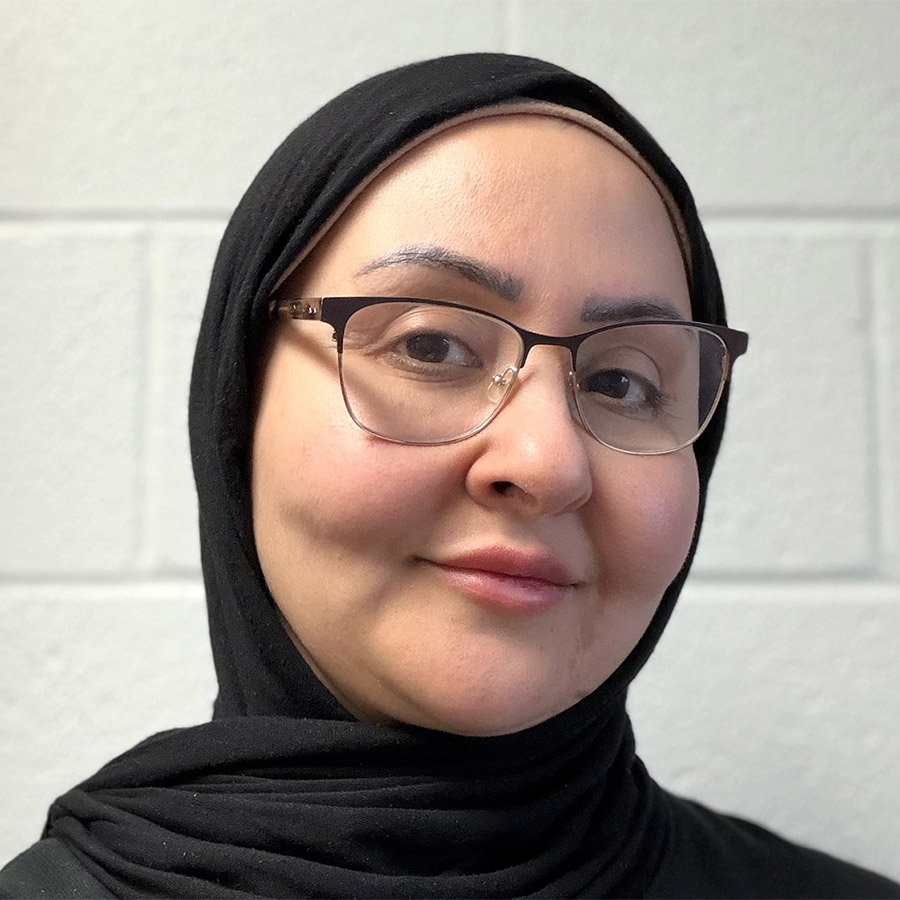
BSSw Fellow Suzan Anwar is developing practical best practices and training resources designed to help the computational science and engineering (CSE) and high-performance computing (HPC) communities adopt sustainable and reproducible approaches to AI-enabled scientific software. Her project will deliver actionable guidance, hands-on tutorials, and reusable workflow templates that integrate modern AI tools with established scientific software engineering principles. By grounding the work in real-world HPC use cases, the project aims to improve software reliability, developer productivity, and long-term sustainability across DOE, NSF, and broader scientific computing communities.
As artificial intelligence becomes deeply embedded in scientific workflows, software systems are growing more complex and increasingly difficult to reproduce, test, and maintain. Suzan's project addresses these challenges by producing openly accessible resources, including a best practices guide and Jupyter-based tutorials demonstrating reproducible AI workflows using tools such as BuildTest, Spack, and MLflow. Community engagement through a virtual workshop will further promote adoption, gather feedback, and encourage shared learning among researchers, developers, and students. All materials will be openly shared through GitHub and the BSSw community platform, enabling continued use and extension beyond the fellowship year.
Suzan is an Associate Professor and Chair of Computer Science at Philander Smith University. Her research focuses on sustainable AI, HPC workflows, and reproducible scientific software, informed by faculty research appointments at Lawrence Berkeley National Laboratory and Argonne National Laboratory. She brings a strong commitment to inclusive research training and community engagement, working to ensure that best practices in scientific software development are accessible to diverse institutions and the next generation of computational scientists.